
Advice about spray foam scams
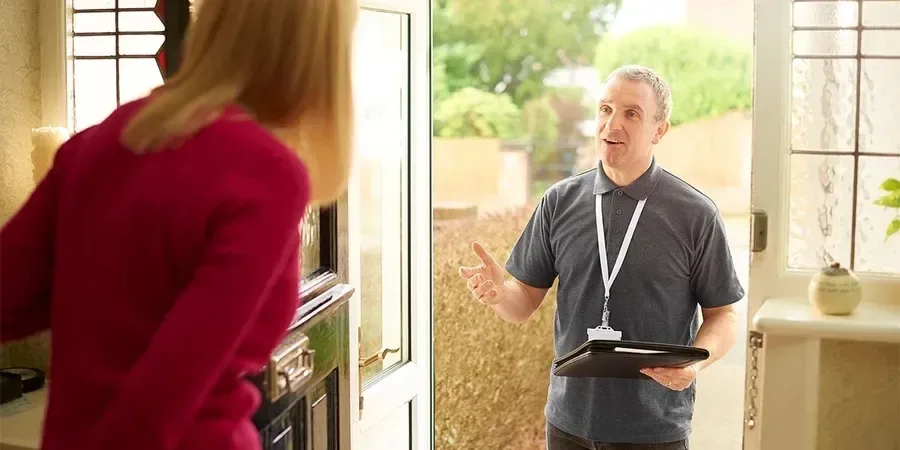
With households continuing to struggle with high energy bills, the Wales Against Scams Partnership (WASP) has issued a warning that scammers are preying on vulnerable individuals with questionable or fake insulation offers.
WASP, a coalition of various organizations, advises people to seek professional guidance before using spray foam for loft insulation. In 2023, insulation was among the most frequent topics of nuisance calls, according to data from trueCall, a company that provides call-blocking devices.
Here, we provide tips on how to avoid and report dishonest sellers and advice about spray foam scams .
What is spray foam?
Spray foam is a liquid foam used to insulate various parts of your home, like the loft, to retain heat and lower energy expenses.
The cost generally ranges from £600 to £1,100, but due to safety concerns, it should always be installed by a professional.
The installer must be certified and evaluated by the British Board of Agrément (BBA, a UK certification body for installer competence), and the spray foam product should also have a BBA certificate or an equivalent.
Additionally, the installation must adhere to the manufacturer’s guidelines, building regulations, and health and safety standards.
Despite its benefits, spray foam has several drawbacks, such as high costs and safety issues, which could potentially decrease your property’s value.
As a result, the potential risks may outweigh the benefits.
Dangerous spray foam scam
Fraudsters have been found targeting elderly and vulnerable individuals through doorstep selling, online scams, and cold calls. Care & Repair Cymru, part of the Wales Against Scams Partnership, has reported several incidents of spray foam scams.
One client with sight and hearing impairments paid over £4,000 for spray foam loft insulation sold by a doorstep trader.
Another elderly client purchased spray foam loft insulation for £3,500 but later discovered they couldn’t sell their house due to the foam and had to spend an additional £2,000 to have it removed before the house could go back on the market.
Additionally, a fraudulent trader falsely claimed that a UK government grant would cover most of the work, with the client needing to pay only £2,500 for the installation.
Free insulation survey scam
Nest, the Welsh government’s free home energy efficiency scheme, has received multiple calls from a person claiming to represent an ‘Energy Hub’ and offering free insulation surveys. During these calls, the caller referenced research from the British Lung Foundation, now known as Asthma + Lung UK since 2020, to support their sales pitch. Asthma + Lung UK has previously issued warnings about such cold call scams, emphasizing that the charity does not endorse any insulation products..
5 signs of a doorstep scam
Doorstep scammers are individuals who unexpectedly appear at your front door with the aim of either swindling you out of money or gaining access to your home. It can be challenging to distinguish between a legitimate doorstep seller and a scammer. Scammers often use smooth-talking tactics to persuade you into signing a contract or purchasing something you neither want nor need.
5 signs that a trader may be dodgy include:
- They are vague about their address.
- They regularly change their company name and phone numbers.
- They want you to pay in cash.
- They don’t have the correct identification or certification.
- They don’t give you your cancellation rights and important information is missing from their invoices.
To find a reputable trader, you could choose a trader recommended by local family or friends or approval schemes, such as Which? Trusted Traders.
Reporting dodgy sellers
If you feel like you’re in danger at any point, you should call the police on 999 or on the non-emergency number 101.
You can report dodgy salespeople to Citizens Advice who can pass complaints to your local Trading Standards authority).
Report nuisance sales calls to the Information Commissioner Office (ICO), which has the power to fine companies and scam or spam texts to your mobile phone provider by forwarding the message to 7726.
If you’ve been scammed out of any money, contact your bank immediately and report the scam to Action Fraud or call the police on 101 if you’re in Scotland.