
Green energy sources – solar power, heat pumps, biomass heating
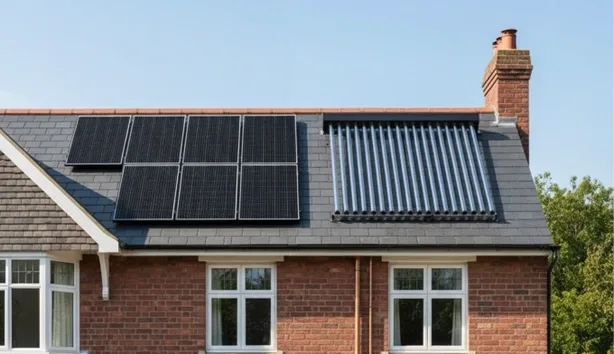
The UK is accelerating the adoption of domestic renewable energy technologies as part of its net-zero and energy security goals. Homeowners are increasingly installing systems like solar panels, heat pumps, biomass boilers, small wind turbines, and even micro-hydro generators to cut energy bills and carbon emissions. Below is an overview of the main renewable options for UK residences – how each works, typical costs and savings, installation considerations, available incentives, environmental impacts, and recent UK trends and policies supporting their uptake.
Key adoption trends
- Over 1.6 million UK homes now have solar panels.
- More than 275,000 heat pumps have been installed in homes and small businesses.
- 2024 saw a record 260,000 small-scale renewable installations, including solar, heat pumps, and battery storage.
- The UK government aims to reach 600,000 heat pump installations per year by 2028.
Solar power (photovoltaic panels)
How it works: Solar PV panels convert sunlight into electricity using semiconductor cells. An inverter converts the generated DC electricity into AC for household use. Panels work even on cloudy days.
Installation Requirements:
- Best on unshaded, south-facing roofs.
- East/west-facing roofs are viable with ~15–20% less output.
- Typically requires 10–20 m² of roof space.
- Usually permitted development (no planning permission needed).
Costs and Savings:
- Typical cost: £6,000–£8,000 for a 4 kW system.
- Payback period: 8–12 years.
- Annual savings: £200–£400 on electricity bills.
- Optional battery storage adds £4,000–£6,000.
Incentives:
- 0% VAT on installation (until March 2027).
- Smart Export Guarantee (SEG): 5–15p/kWh for surplus electricity.
- ECO4 grants up to £10,000 for low-income households.
- Solar Together: Local group-buying discounts.
- Warm Homes Plan: Fully funded solar or 0% loans for eligible households.
Environmental Impact:
- Saves ~1 tonne of CO₂ per year.
- Zero emissions during operation.
- Panels last 25+ years.
Wind energy (small-scale)
How it works: Wind turbines convert wind energy into electricity. Roof-mounted turbines are smaller and less efficient; freestanding turbines perform better in open, windy areas.
Installation Requirements:
- Roof-mounted: 0.5–2.5 kW, limited output.
- Freestanding: 1.5–15 kW, requires open land and planning permission.
- Best suited to rural, windy locations.
Costs and Savings:
- Roof-mounted: £1,500–£3,000.
- Freestanding: £7,000–£70,000 depending on size.
- Annual savings: £170–£400 depending on wind speed and turbine size.
- Long payback period (15–20+ years).
Incentives:
- 0% VAT on installation.
- Smart Export Guarantee (SEG).
- No national grants; local support may vary.
Environmental Impact:
- Zero emissions during operation.
- Low noise and visual impact if well-sited.
- Minimal wildlife disruption at domestic scale.
Biomass heating (wood-pellet boilers)
How it works: Biomass boilers burn wood pellets, logs, or chips to provide central heating and hot water. Modern systems are automated and efficient.
Installation Requirements:
- Requires space for boiler and fuel storage.
- Needs flue and possibly planning permission.
- Best for rural, off-gas-grid homes.
Costs and Savings:
- Automatic pellet boiler: £10,000–£14,000.
- Manual log boiler: £4,000–£7,000.
- Annual savings: £500–£800.
- Payback: 7–18 years depending on system type.
Incentives:
- £5,000 Boiler Upgrade Scheme (BUS) grant (rural, off-gas only).
- 0% VAT on installation.
- Scotland: Home Energy Scotland grants and loans.
Environmental Impact:
- 80–90% CO₂ reduction vs. oil/gas.
- Emits particulates; restricted in urban areas.
- Sustainable if using local, certified wood fuel.
Heat pumps (air and ground source)
How it works: Heat pumps extract heat from air or ground and transfer it indoors. They are highly efficient, producing 3–4 units of heat per unit of electricity.
Installation Requirements:
- Air Source: Outdoor unit, hot water cylinder, good insulation.
- Ground Source: Requires land for ground loops or boreholes.
- Best for well-insulated homes.
Costs and Savings:
- Air Source: £8,000–£15,000 (avg. ~£10,500).
- Ground Source: £18,000–£30,000+.
- Annual savings: £260–£600+ (vs. oil/LPG).
- Running costs: £855–£1,700/year (ASHP); ~£1,000 (GSHP).
Incentives:
- £7,500 Boiler Upgrade Scheme (BUS) grant (England & Wales).
- 0% VAT on installation.
- Scotland: Home Energy Scotland grants and loans.
- ECO4: Full or partial funding for low-income households.
- Time-of-use electricity tariffs.
Environmental Impact:
- 70–90% CO₂ reduction vs. gas/oil.
- No on-site emissions.
- Improves air quality and energy security.
Micro-hydro power
How it works: Uses flowing water to spin a turbine and generate electricity. Requires a stream or river with sufficient flow and head.
Installation Requirements:
- Site-specific: needs consistent water flow and elevation drop.
- Requires planning and environmental permits.
- Ideal for rural properties with streams.
Costs and Savings:
- Small systems: £10,000–£25,000+.
- Output: 1–5 kW continuous.
- Annual savings: £1,000–£2,000+ possible.
- Long payback; high reliability.
Incentives:
- 0% VAT on installation.
- Smart Export Guarantee (SEG).
- No national grants; local/community funding may apply.
Environmental Impact:
- Zero emissions during operation.
- High efficiency (70–80%).
- Minimal impact if designed with fish-friendly features.