
Law to make social landlords fix mould in force from October
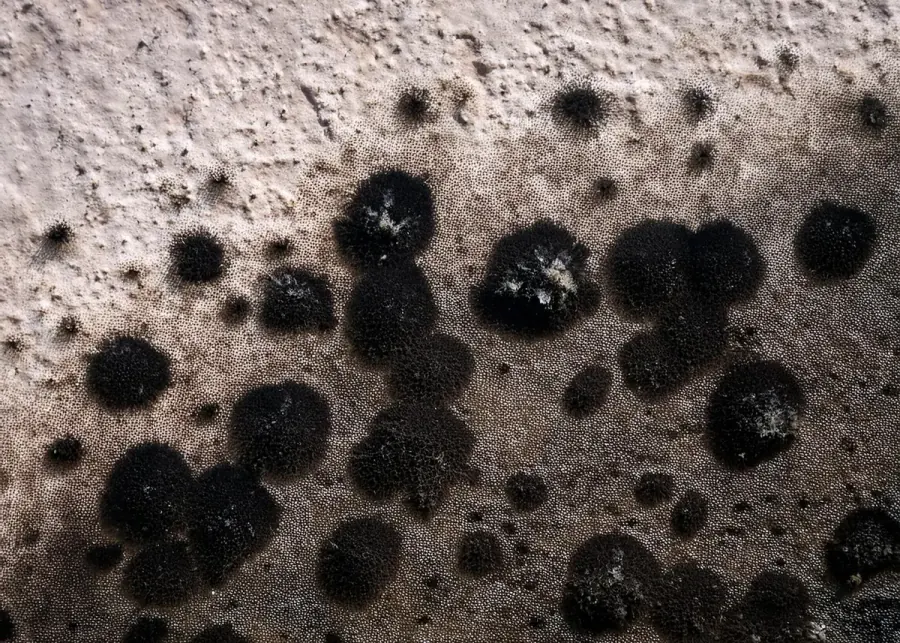
Starting in October 2025, landlords in England will be required to investigate and address issues of damp and mould within strict timelines, the government has announced. This decision follows the tragic death of two-year-old Awaab Ishak from mould exposure in his Rochdale home in 2020, prompting calls from campaigners for reforms.
However, the implementation of these changes, known as Awaab’s law, will be gradual. The timelines for addressing other hazards, such as structural or electrical problems, will not be enforced until at least 2026. Housing charity Shelter has warned that these delays pose significant risks to tenants’ health and safety.
From October, social landlords—typically local councils or housing associations—will need to address emergency hazards within 24 hours. The government will set out timelines for investigating other hazards after consulting later on. Previous proposals suggested that landlords should investigate and outline repair timelines within 14 days of being notified about a hazard. If a health or safety risk is significant, repairs must begin within 7 days. Landlords failing to comply could face legal action and be required to pay compensation.
Deputy Prime Minister Angela Rayner explained that the phased approach would allow quicker action on damp and mould while providing time to ensure the changes are implemented effectively. In 2026, timelines for addressing non-emergency hazards, such as cold or heat extremes, structural issues, fire risks, and electrical faults, will be introduced. In 2027, these timelines will extend to other hazards, excluding overcrowding.
The government emphasized that social landlords are still obligated to address health and safety risks in their properties, as they already have a duty to keep homes habitable. Awaab’s law was passed in July 2023 but has not yet taken effect.
Shelter’s CEO, Polly Neate, expressed concern that tenants would face delays in receiving essential protections and called on the government to implement Awaab’s Law promptly. Kate Henderson, CEO of the National Housing Federation, reiterated the commitment to ensuring such tragedies don’t happen again but acknowledged that financial pressures on housing associations, along with issues like overcrowding, contribute to problems like damp and mould, which can only be addressed with funding for new social housing.
The government also plans to extend Awaab’s law to the private rental sector under the Renters’ Rights Bill, which is progressing through Parliament and is expected to be passed by summer. Damp issues are more common in private rented homes, with 9% affected compared to 7% of social housing, according to the English Housing Survey.
Rayner, who is also the housing secretary, emphasized the moral duty to prevent tragedies like Awaab Ishak’s death, stating that landlords must not be allowed to rent out dangerous properties that jeopardize tenants’ lives.